Wearing Bluetooth earphones correctly can effectively improve sound quality, extend battery life, reduce ear canal pressure, and avoid dropping. There are significant differences in the design and wearing methods of different types of Bluetooth earphones (in ear, semi in ear, and head mounted). The following are detailed operation guidelines and precautions:
1、 First, clarify the types of headphones: the core differences between the three mainstream headphones
The wearing logic of headphones with different designs is completely different. First confirm your headphone type, and then operate accordingly:
In ear style: equipped with silicone or sponge earplugs that need to be inserted into the ear canal; The key to wearing earplugs is to match the size of the ear canal and form a "sealed cavity"; Suitable for sports and commuting scenes, as it has good sound insulation and is not easy to fall off.
Half in ear style: earplugs only fit the external auditory canal and do not penetrate deep into the ear canal; The key to wearing is to ensure that the "ear handle" angle of the headphones fits snugly into the ear canal (the concave area on the inner side of the outer ear); Suitable for daily office use and short-term wear, with the advantage of being comfortable and free from ear canal swelling and pain.
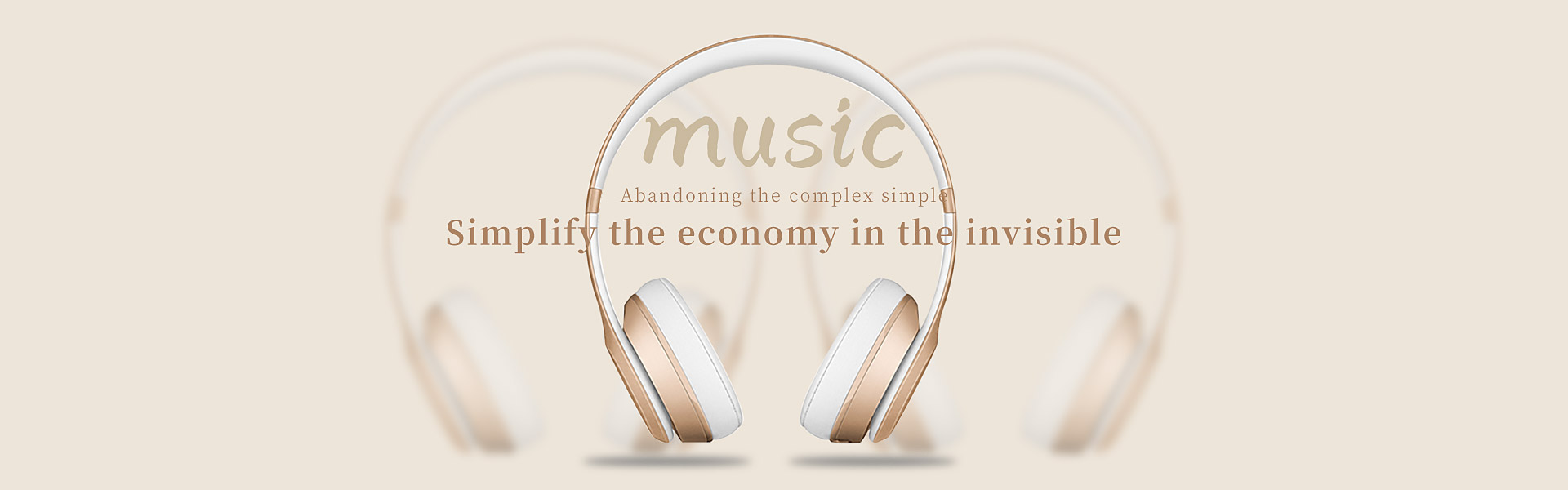
Head mounted style: including a headband and earmuffs, designed to either wrap around the outer ear (ear wrap style) or cover the outer ear (ear press style); The key to wearing is to make the headband elastic and fit the circumference of the head, while the earmuffs completely cover the outer ear; Suitable for home and audio-visual entertainment scenes, with good sound field performance and better comfort for long-term wearing.
2、 Classification: Correct wearing steps (with key points for avoiding pitfalls)
1. In ear Bluetooth earphones (most likely to be worn incorrectly, focus on)
In ear style requires a "sealed ear canal" to achieve optimal sound quality, but selecting the wrong size or angle can lead to sound leakage, swelling, and pain. The steps are as follows:
Step 1: Choose the right earplug size (key first step)
Earphones usually come with three sizes: S (small), M (medium), and L (large). It is recommended to try on the default M size first. If you feel loose or have obvious sound leakage after wearing (external sounds are easy to enter), it indicates that the size is too small and you should switch to the L size; If there is obvious compression and swelling pain in the ear canal, or discomfort after removal, it indicates that the size is too large and should be changed to size S.
Avoiding pitfalls: Do not forcefully choose large sizes for the sake of "firmness", as long-term compression may damage the skin of the ear canal.
Step 2: Adjust the insertion angle (to avoid misalignment)
Hold the earbuds with both hands and aim them at the outer ear canal opening. Do not insert them directly "up and down", but tilt them slightly (at an angle of about 30 °) and slowly push them in along the natural bending direction of the ear canal until you feel the earbuds fit snugly against the ear canal wall without any looseness.
For some in ear headphones with "ear wings" (silicone fasteners), the ear wings need to be attached to the outside of the ear canal first, and then the earplugs should be inserted to ensure that the ear wings can fit the contour of the outer ear, further preventing it from falling off (suitable for intense sports such as running and skipping rope).
Step 3: Check the wearing effect
Gently shake your head after wearing (simulating walking or picking up things with your head down), if the headphones do not shift; When playing music, being able to hear low-frequency details clearly (such as drum sounds) without obvious noise indicates correct wearing.
2. Semi in ear Bluetooth earphones (easy to operate, but need to find the right "fitting point")
The semi in ear style relies on the contour of the outer ear for fixation, without the need to go deep into the ear canal. The key is to find the correct fitting position of the ear canal:
Step 1: Aim at the ear canal opening and find the "natural support feeling"
Hold the earbud handle in hand, align the "curved surface" of the earbud with the outer ear canal opening (the inner side of the earbud fits the outer edge of the ear canal), gently place it in, let the earbud handle naturally hang down to the neck (or place it at the angle designed by the earbud, most semi in ear earbuds will slightly tilt forward), until the earbud is "held" by the ear canal without any shaking sensation.
Key: Do not press the headphones hard, otherwise it may cause pain and compression of the outer ear skin. Just gently press them together.
Step 2: Fine tune the angle to avoid looseness
If the earphones are prone to slipping out when lowered after wearing, you can gently rotate the ear handle (adjust it by 5 ° -10 ° left and right) until you find the "clamping" position - usually when the edge of the earplug is completely in contact with the inside of the ear canal, the stability is optimal.
3. Head mounted Bluetooth earphones (with a focus on "headband elasticity" and "earmuff coverage")
Improper wearing of the headband can easily cause the headband to press against the head and the earmuffs to leak sound. The steps are as follows:
Step 1: Adjust the length of the head beam to fit the head circumference
Grasp both sides of the headphone headband with both hands, align the earmuffs with the left and right outer ears, slowly place the headband on the head, and stretch or shorten the headband according to the head circumference (most headband designs have adjustable scales or elastic designs): If the headband is too tight, there will be a "clamping feeling" (especially at the temple position), and it needs to be stretched; If it is too loose, the earmuffs cannot be tightly attached to the head and are prone to sound leakage, and need to be shortened.
The ideal state is: the headband can gently press down on the top of the head without obvious compression, the earmuffs can completely wrap around the outer ear (ear wrap style) or just cover the outer ear (ear press style), and the edges of the earmuffs are in seamless contact with the facial skin.
Step 2: Adjust the angle of the earmuffs to fit the face
Partial head mounted earmuffs support slight rotation (front back or left and right), which can be adjusted according to one's facial contour: for example, for people with high cheekbones, the earmuffs can be slightly turned downwards to avoid the edge of the earmuffs pressing against the cheekbones and reduce discomfort; Users who wear glasses should ensure that the earmuffs can avoid the temple and prevent pain caused by compression between the temple and the edge of the earmuffs.
Step 3: Check stability and comfort
After wearing, shake your head and lower your head without shifting the earphones; After wearing for a long time (1-2 hours), there is no obvious soreness on the top of the head and temples, indicating that the elasticity of the headband and the angle of the earmuffs are adjusted properly.
3、 General wearing precautions (extending headphone life+protecting hearing)
Cleaning before wearing: Before each wearing, use a clean cotton swab dipped in a small amount of alcohol (or wet tissue) to wipe the inside of the earplugs/earmuffs to avoid bacterial growth caused by ear secretions and sweat residue (especially in ear style, long-term lack of cleaning may cause ear inflammation).
Avoid "violent wearing": Do not forcefully pull the headphone cable (wired Bluetooth headphones) or ear handle, and do not forcefully break the headband (which may cause the bracket to break) for head mounted headphones; When removing, for the in ear style, hold the earplug and gently pull it out, do not directly pull the ear handle; The headband should be loosened first before removing it from the top, and should not be directly "broken off" from the side.
Control the duration of wearing: Regardless of the type, it is recommended to remove the headphones and ventilate the ear canal for 5-10 minutes every 1-2 hours to avoid dampness and heat in the ear canal (especially in ear style, sealed environment is prone to bacterial growth), while reducing hearing fatigue.
When exercising, choose the specialized version: If worn during exercise, prioritize in ear headphones with waterproof function (IPX4 or above), ear fins/shark fins, or ear hanging semi in ear headphones. Ordinary semi in ear headphones are prone to falling off during intense exercise.

Website QR Code